September 2026
At the 3rd Corn and Sugarcane Ethanol Conference, Citrotec® discusses the future of the sugar-energy sector
Presentation highlighted the energy challenges faced by sugarcane mills and presented technologies to increase efficiency and enable sugarcane-corn integration.
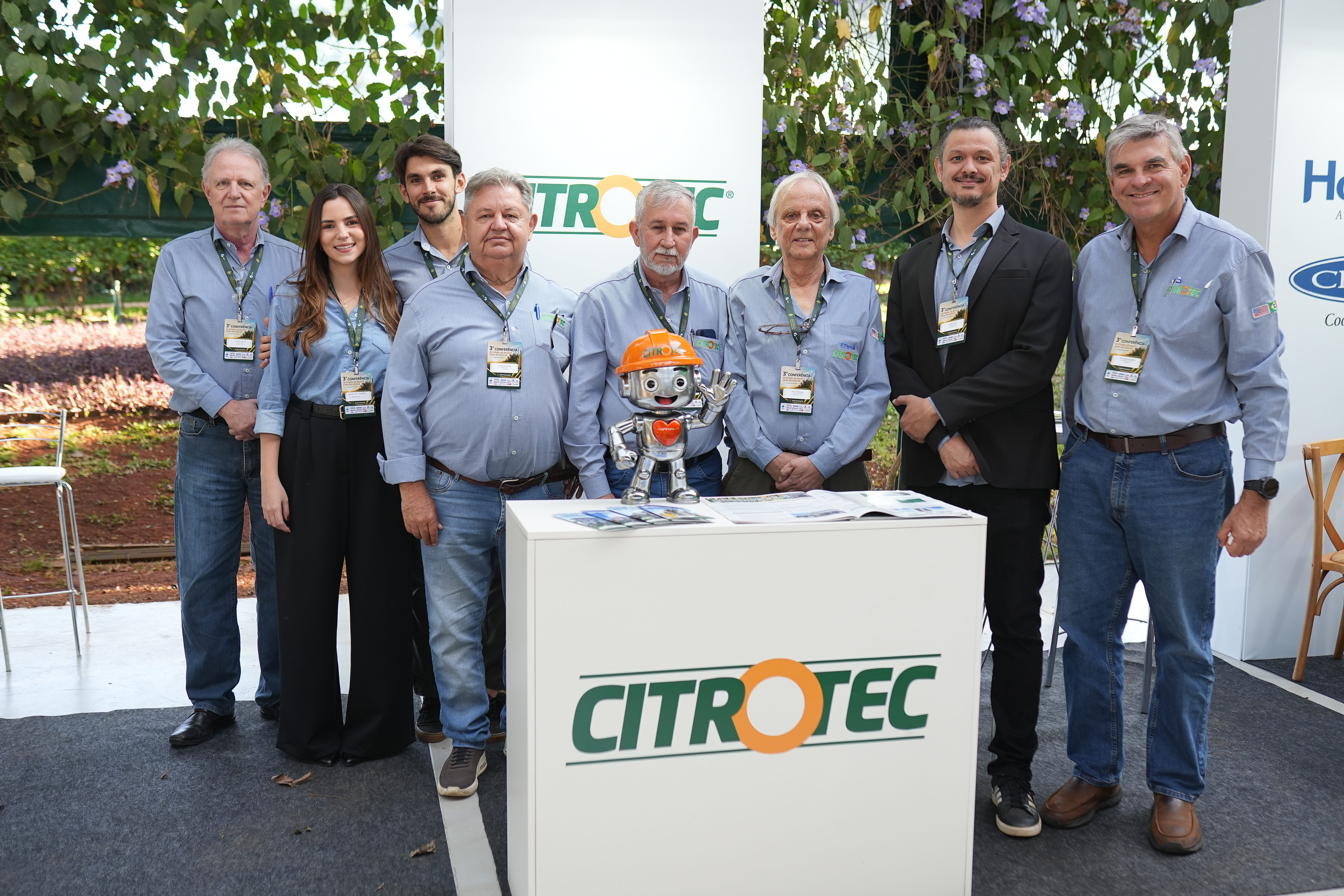
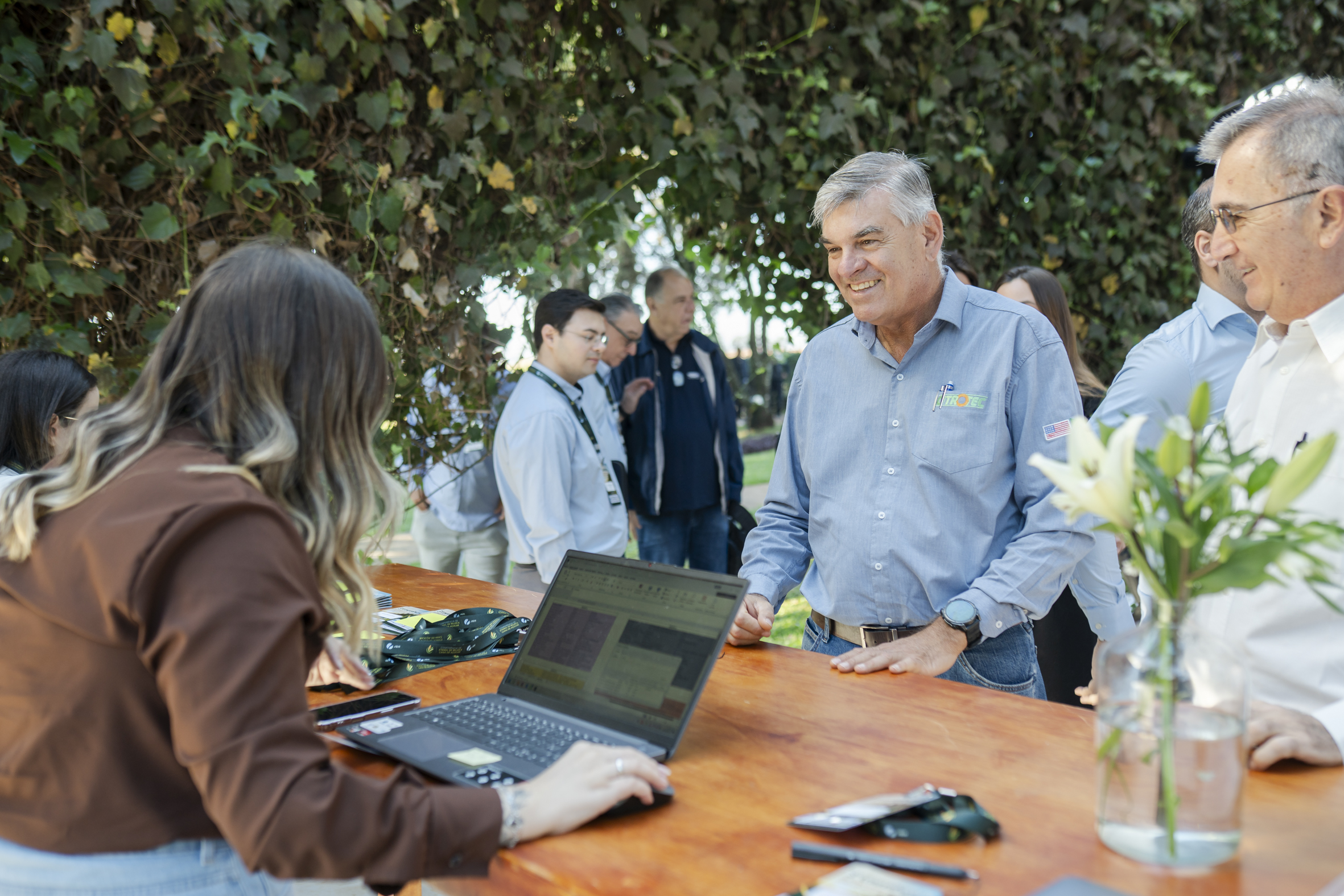
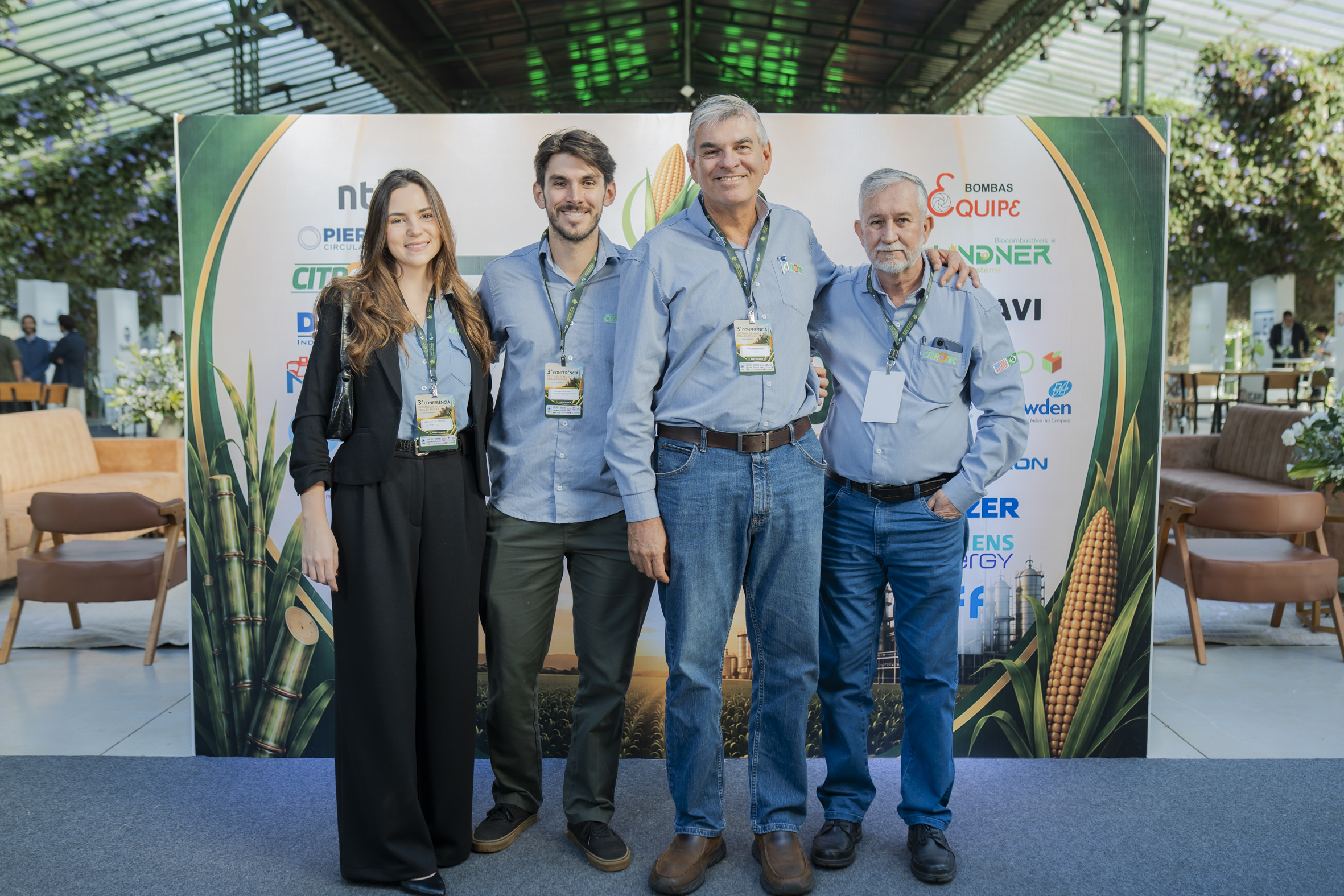
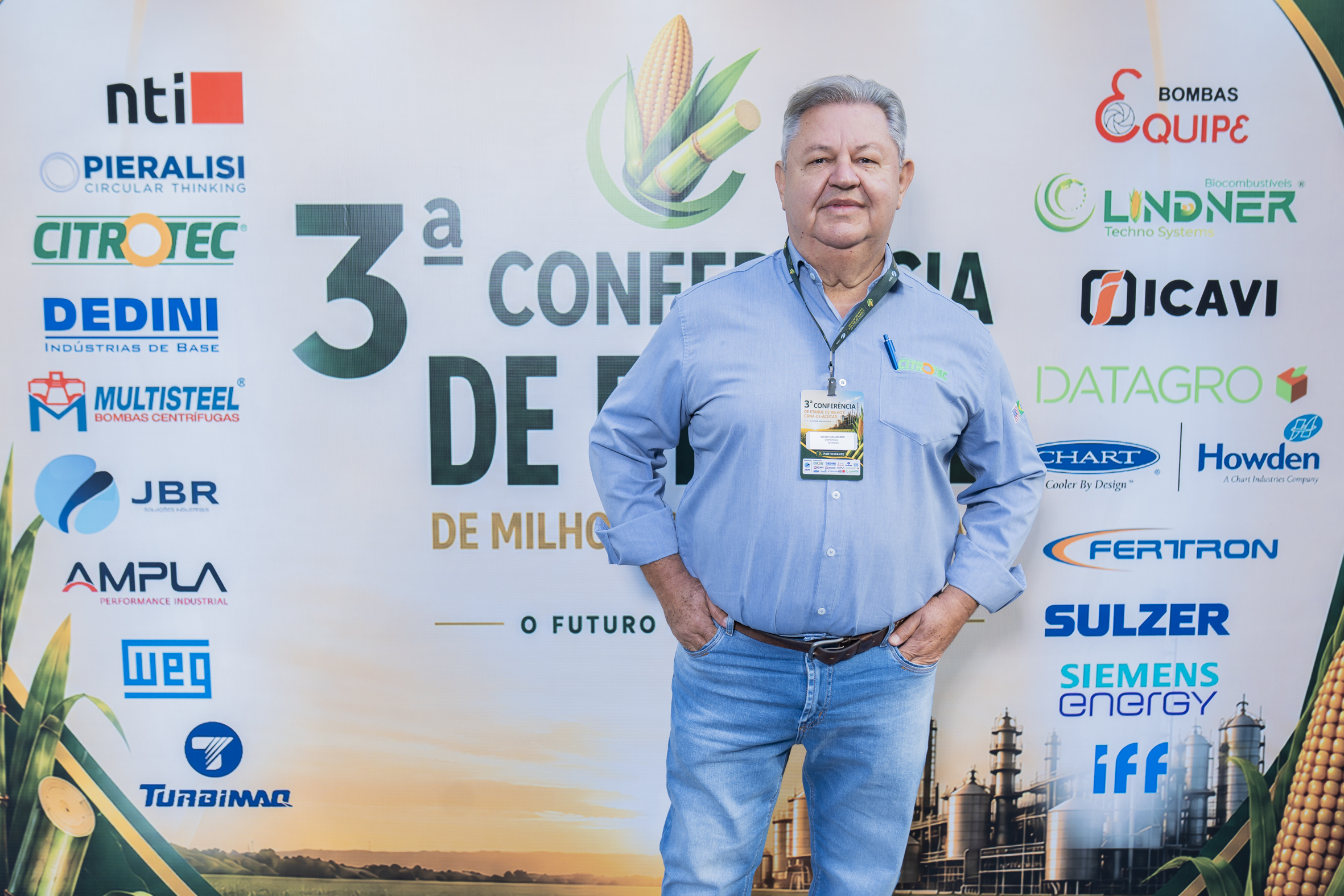
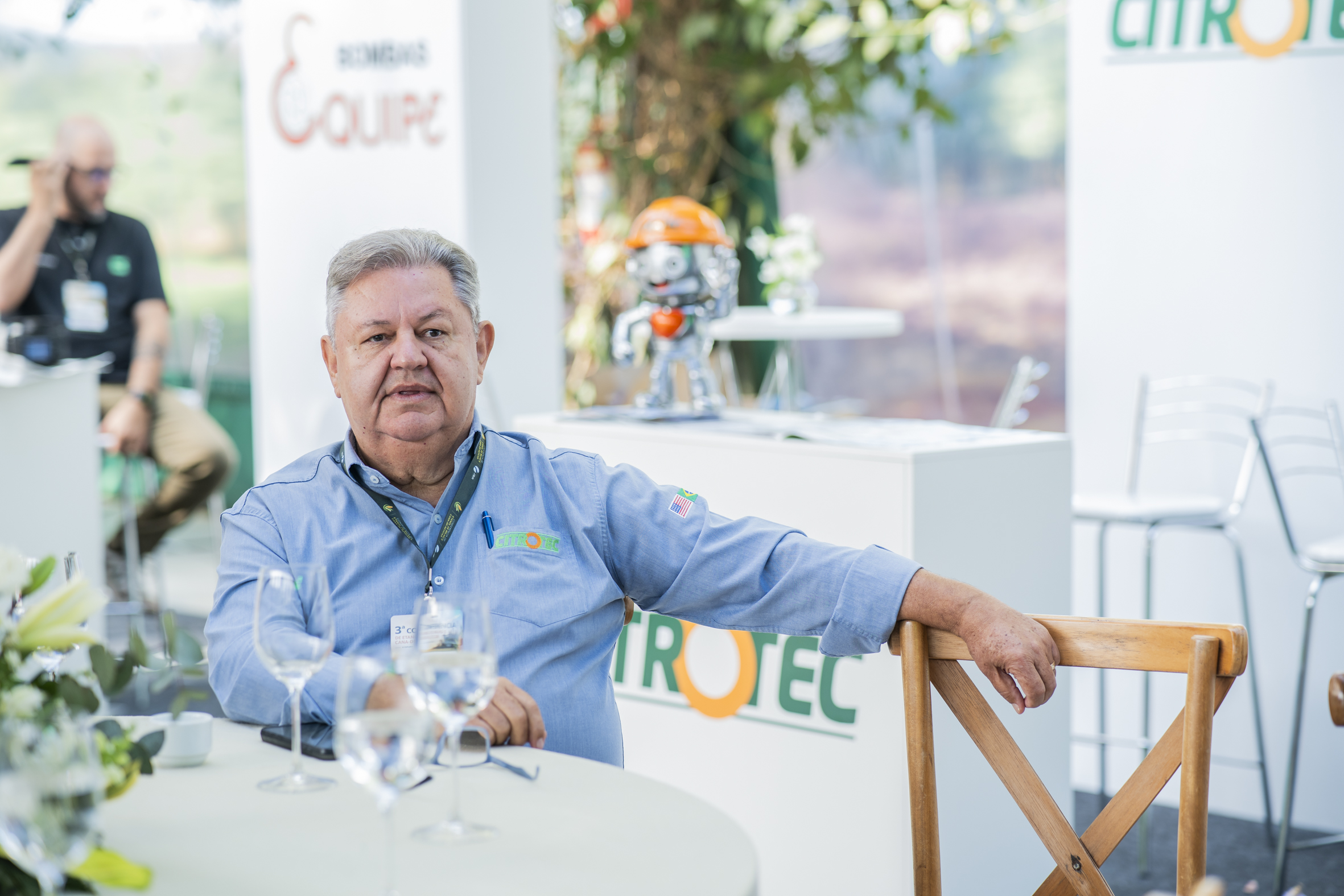
Citrotec® participated as a speaker at the 3rd Corn and Sugarcane Ethanol Conference, held on September 2 in Iracemápolis, São Paulo, Brazil. The event brought together professionals, experts and companies from the sugar-energy industry to discuss trends, innovation and business opportunities.
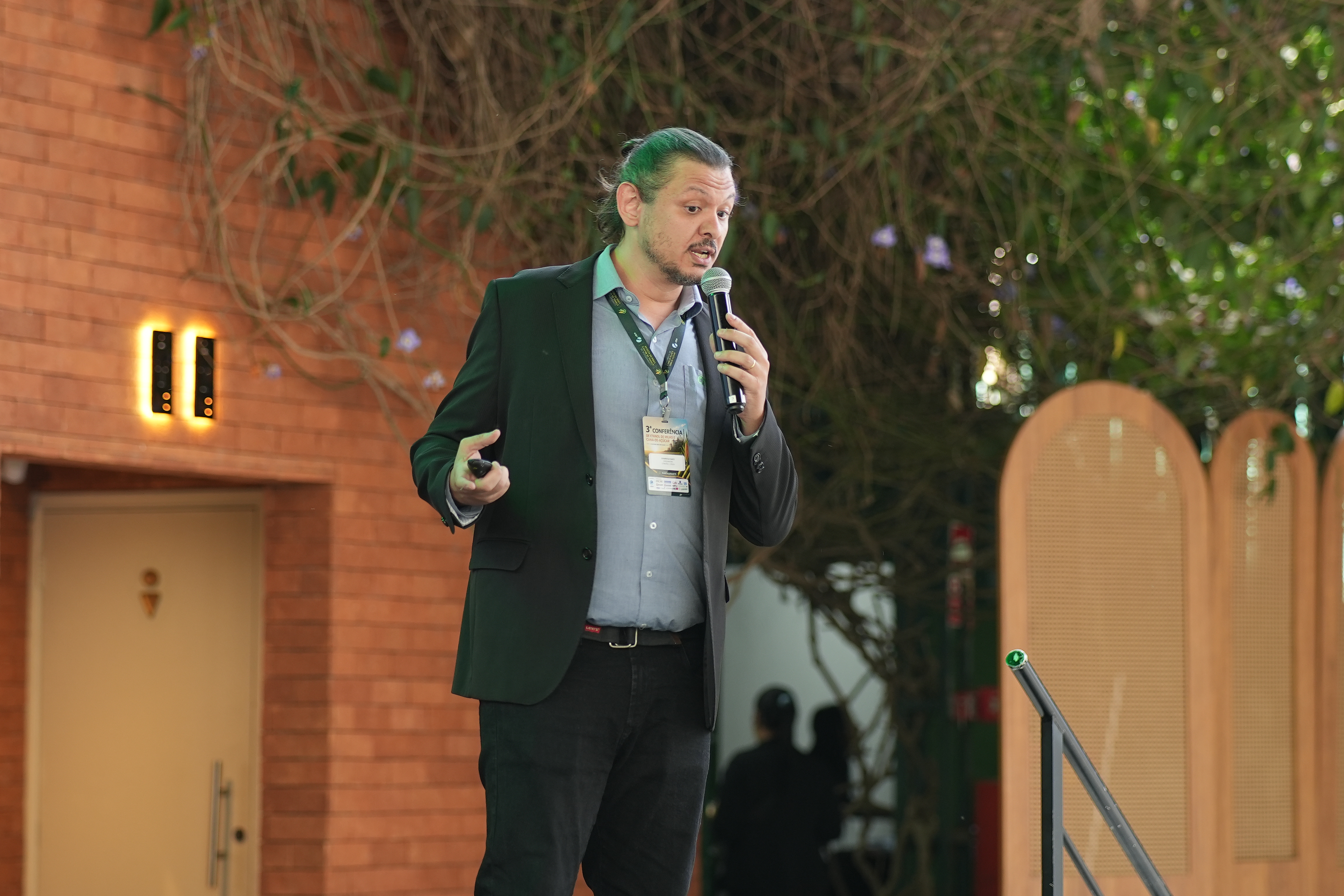
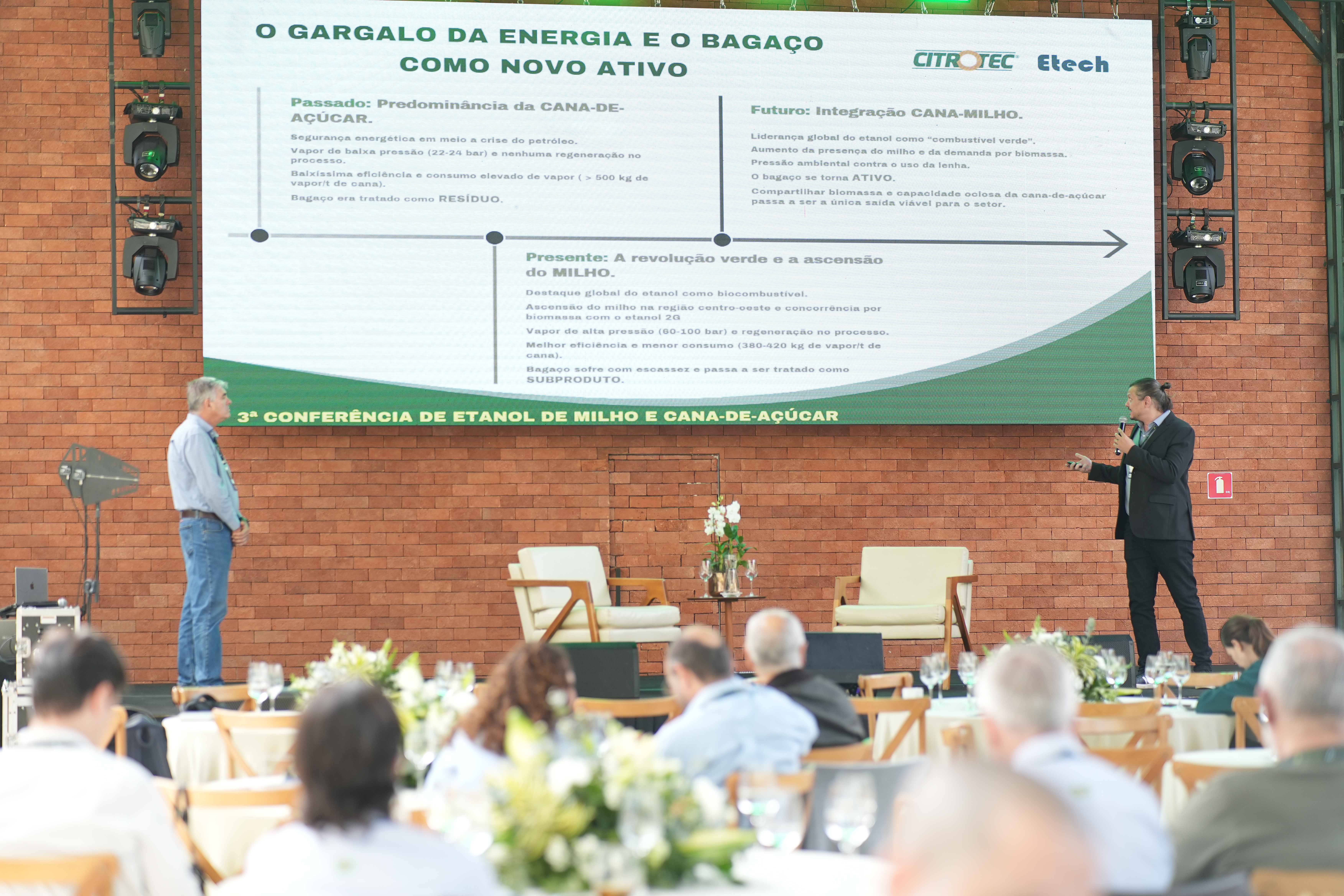
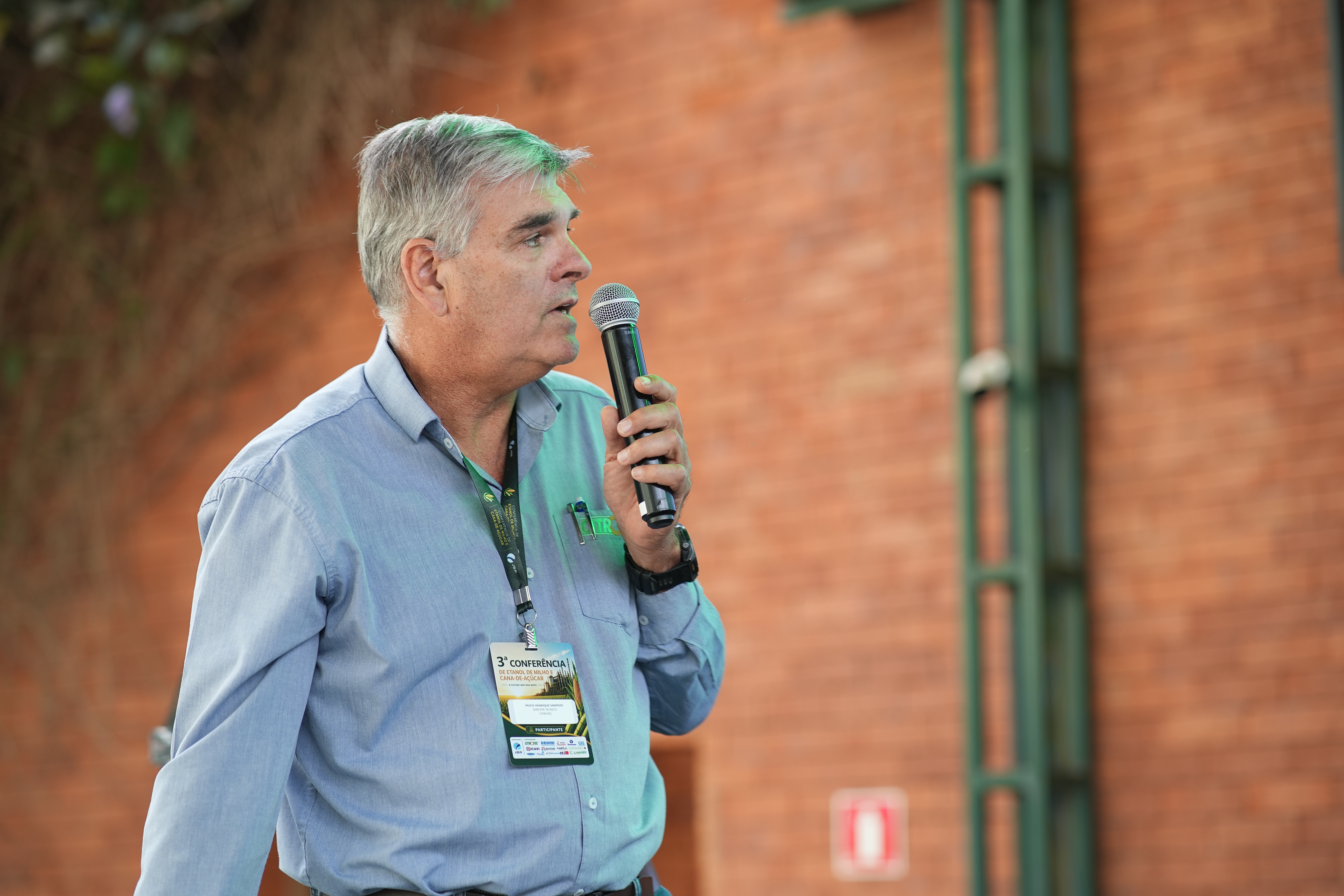
During the presentation “Sugarcane-Corn Integration: The Future of the Sugar-Energy Sector,” Citrotec® Technical Director Paulo Henrique Sampaio and Citrotec® Chemical Engineer Gianpaolo Barci presented data and analyses on the main energy challenges faced by sugarcane mills, the strategic value of bagasse and the role of integrated systems in reducing specific steam consumption.
For Sampaio, participating in the event was an opportunity to contribute to discussions about the future of the industry. “The integration of sugarcane and corn, combined with energy efficiency, can open up new possibilities for sugarcane mills and increase business competitiveness.”
Barci highlighted the positive response to the presentation. “The presentation was very positive, especially because it gave us the opportunity to share data and experiences showing how the integration of different technologies can help reduce steam consumption and improve the energy utilization of sugarcane mills,” he says.
Sugarcane-Corn Integration: The Future of the Sugar-Energy Sector
Sampaio and Barci opened the presentation by highlighting that Brazil’s sugar-energy sector is experiencing a new cycle of transformation, comparable to the movement that began with the Proálcool program in the 1970s. “While the challenge at that time was to reduce dependence on oil, today the expansion of biofuels is being driven by the energy transition, decarbonization targets and growing demand for renewable energy sources,” they noted.
In this context, corn ethanol has become one of the main drivers of bioenergy growth in Brazil. Production increased from approximately 520 million liters in 2017 to 8.2 billion liters in the 2024/25 crop year, with projections to exceed 10 billion liters in 2025/26, representing more than 20% of national production.
This growth has been supported by the availability of second-crop corn in Brazil’s Central-West region and by the expansion of Flex and Flex Full mills, which combine sugarcane and corn processing. In addition to extending the operating period of the plants, this model allows value to be added to the raw material through coproducts such as DDGS and corn oil.
Brazil currently has 24 corn ethanol biorefineries, while announced investments of R$41 billion could add 44 new plants and approximately 12 billion liters per year to national production capacity.
Energy efficiency as a strategic factor
Against this backdrop, the speakers emphasized that energy efficiency is becoming central to the competitiveness of sugarcane mills. Bagasse, previously regarded primarily as a sugarcane byproduct, is increasingly becoming a strategic asset, particularly with the growth of corn ethanol and second-generation ethanol (E2G).
“In Flex and Flex Full mills, boilers, utilities and other industrial structures are shared between sugarcane and corn operations. The surplus bagasse generated by sugarcane can be used as an energy source for corn ethanol production, extending the plant’s operating period while maintaining the possibility of exporting electricity,” Barci explained.
This model, however, requires an efficient thermal balance. “Because corn processing has higher specific steam consumption, a significant portion of the surplus bagasse may be directed to the process itself. Therefore, reducing steam demand is one of the main challenges to expanding sugarcane-corn integration,” Sampaio emphasized.
Technologies for a more efficient sugarcane mill
Next, the Citrotec® representatives presented technologies developed in partnership with ETECH to reduce specific steam consumption and promote greater thermal integration between the stages of sugar, sugarcane ethanol and corn ethanol production.
One of the main points of attention is the concentration of sugarcane juice through evaporation, a stage that requires the removal of large volumes of water to increase the solids content of the juice from approximately 12–15% to 60–65%. In conventional systems, this operation can account for up to 50% of the steam consumption of a modern sugarcane mill, estimated at between 380 and 420 kg of steam per ton of sugarcane.
To address this challenge, Citrotec® and ETECH developed the ENET® MVR, which combines descending turbulent mist evaporation technology with Mechanical Vapor Recompression (MVR). The system reuses the low-pressure vapor generated within the process, recompressing it for reuse as a thermal energy source. In tests conducted at the pilot plant, the technology achieved a reduction of up to 80% in evaporation steam consumption compared with conventional evaporators.
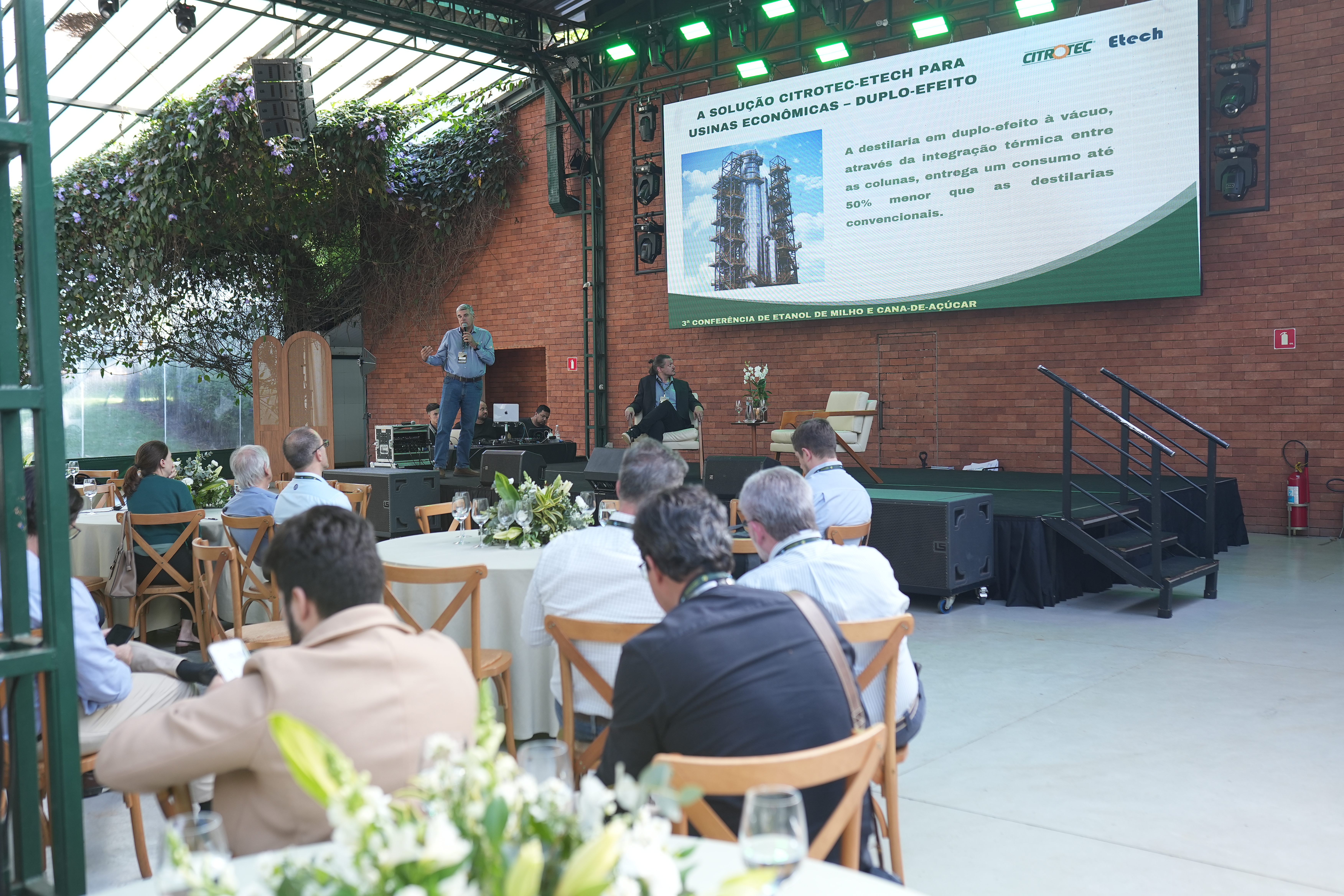
In sugarcane ethanol distillation, another advancement is the Citrotec®-ETECH Double-Effect Wine Exhaustion system, which has been commissioned for ethanol production at Etanol Coréia in Brazil. The technology has an expected specific consumption of up to 1.42 tons of steam per m³ of ethanol produced, with a reduction of up to 29% compared with conventional systems for low-alcohol wines, between 6 and 12 °GL.
For applications integrating different process stages, the DBEV® MVR combines double-effect vacuum distillation, columns equipped with “Disk & Donut” internals, Mechanical Vapor Recompression, molecular sieving, vinasse concentration through ECOVIN® and evaporative condensation. The system can achieve consumption of up to 0.57 tons of steam per m³ of ethanol feed, while also promoting energy recovery and reducing water demand.
Integration that enhances energy utilization
The combined adoption of these technologies extends the benefits beyond individual process stages and contributes to a more efficient energy balance throughout the plant.
“The combination of ENET® MVR for juice concentration with the Double-Effect distillery can reduce specific steam consumption from approximately 380–420 kg/t of sugarcane to as low as 250 kg/t of sugarcane,” Sampaio demonstrated.
With lower thermal demand in sugarcane processing, bagasse consumption also decreases, increasing the surplus to between 57% and 65%. “This additional biomass availability can enable a corn ethanol unit operating under the Flex Full model to run 365 days a year, using the existing steam-generation infrastructure,” Barci added.
According to the speakers, the integration of energy efficiency, bagasse utilization and low-consumption technologies creates the conditions for sugarcane mills to advance sugarcane-corn integration, keep pace with the expansion of biofuels and prepare for an increasingly efficient and sustainable energy matrix.
Click the image to open the gallery


.JPG)

.JPG)

.JPG)