August 2026
SIPAT 2026 promotes reflection on health, safety, and quality of life
The program brought together lectures on healthy eating, financial education, physical activity, and prevention of alcohol, drugs, and other risky behaviors, such as gambling addiction.
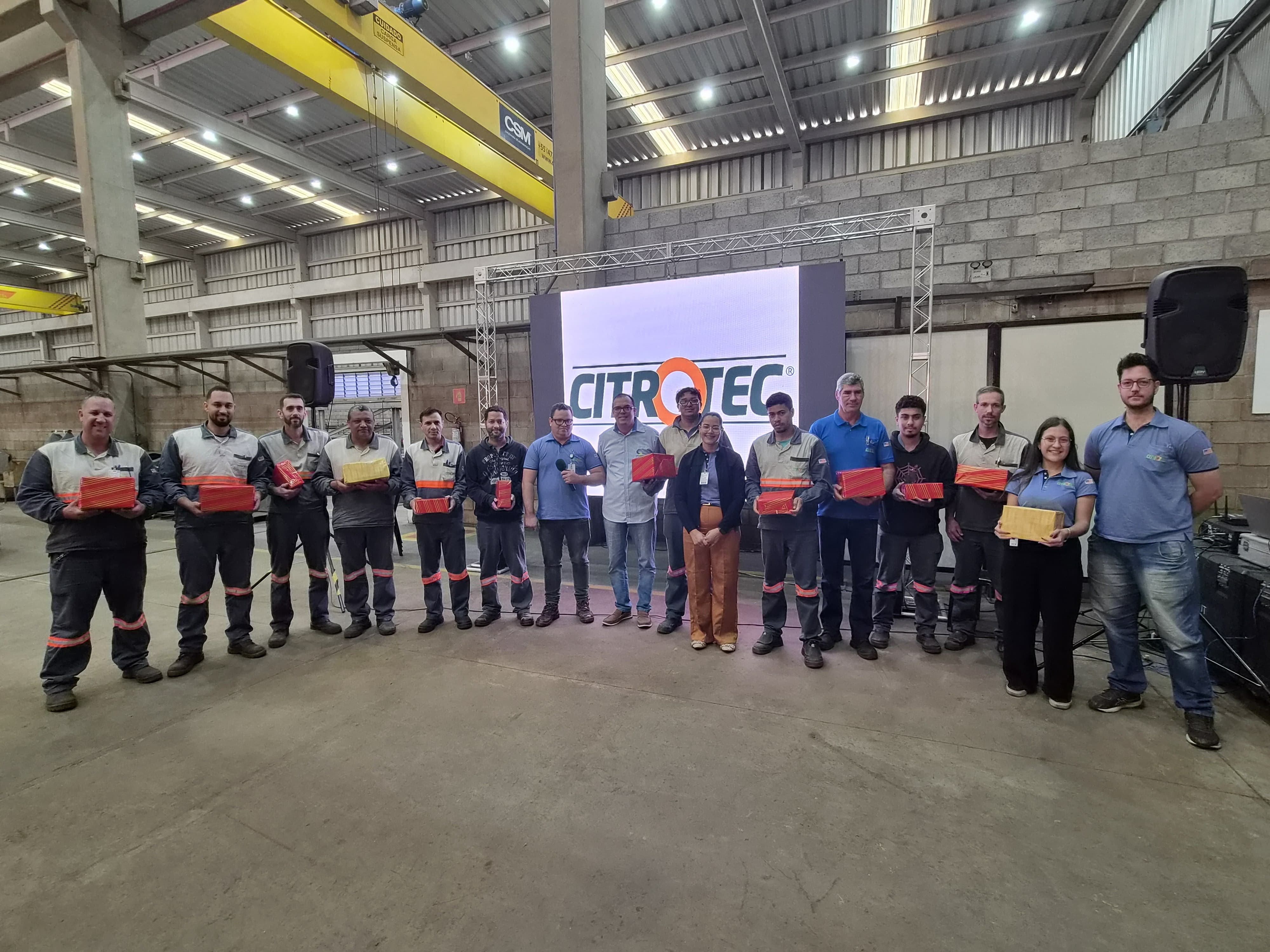
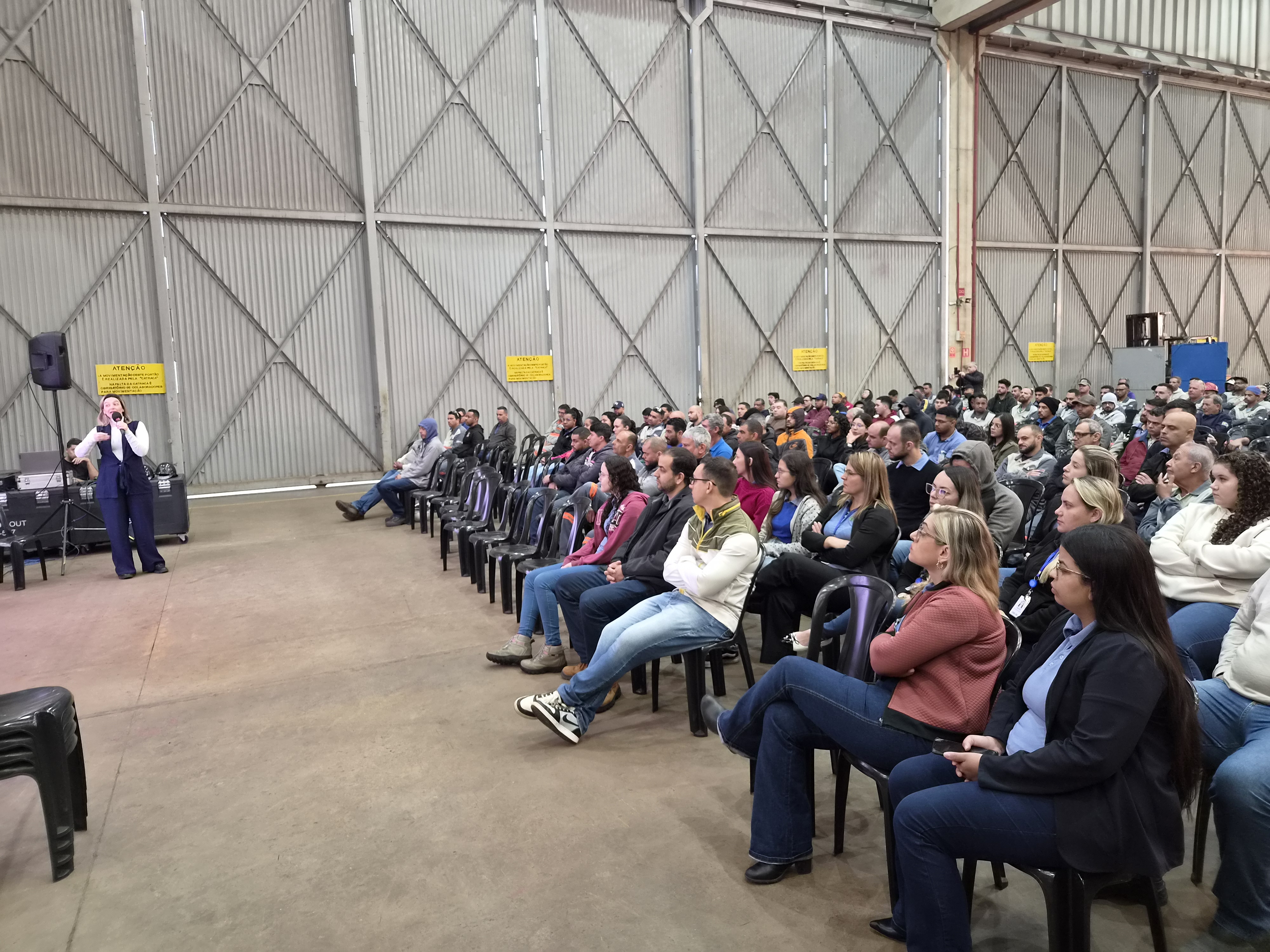
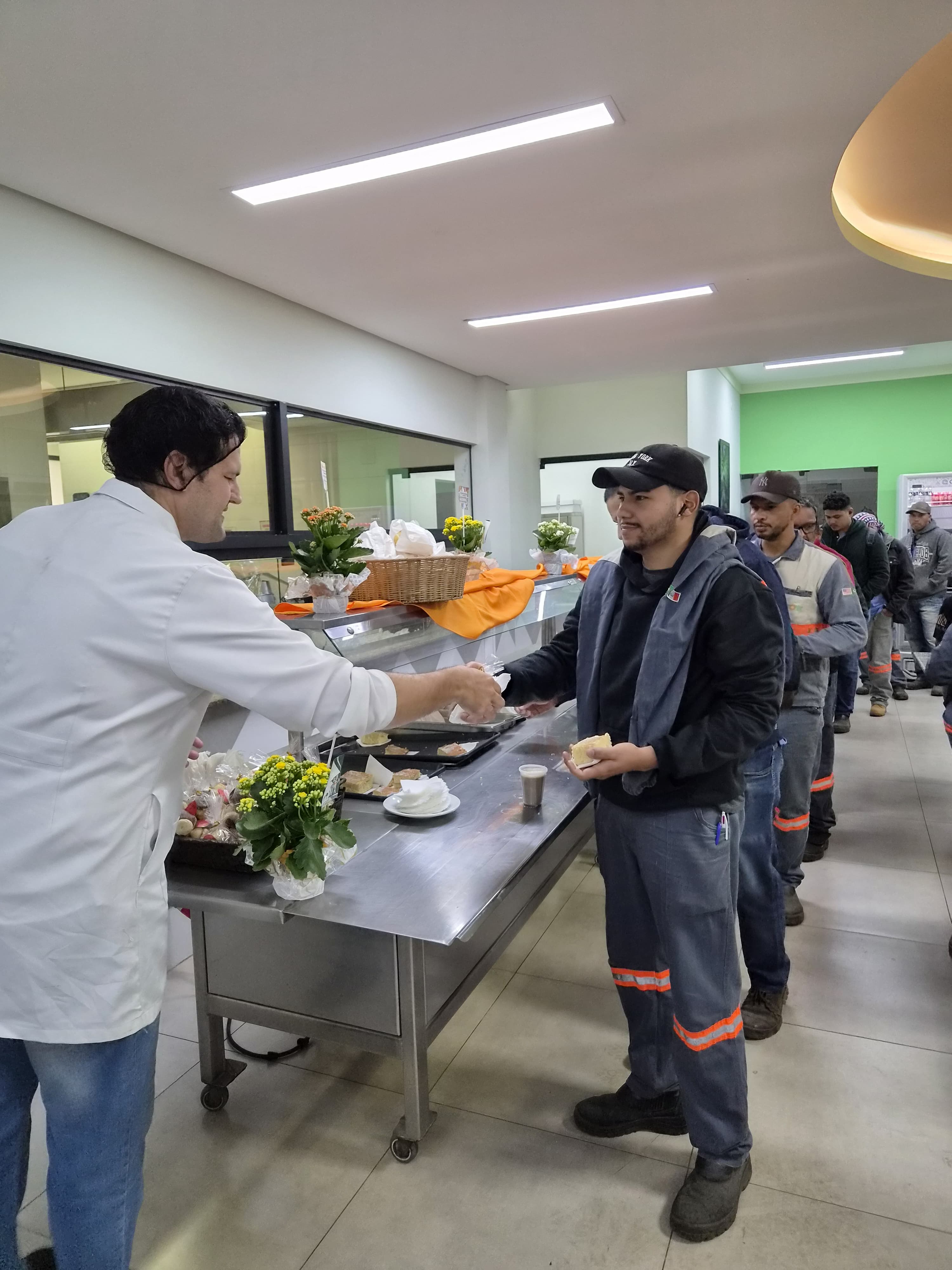
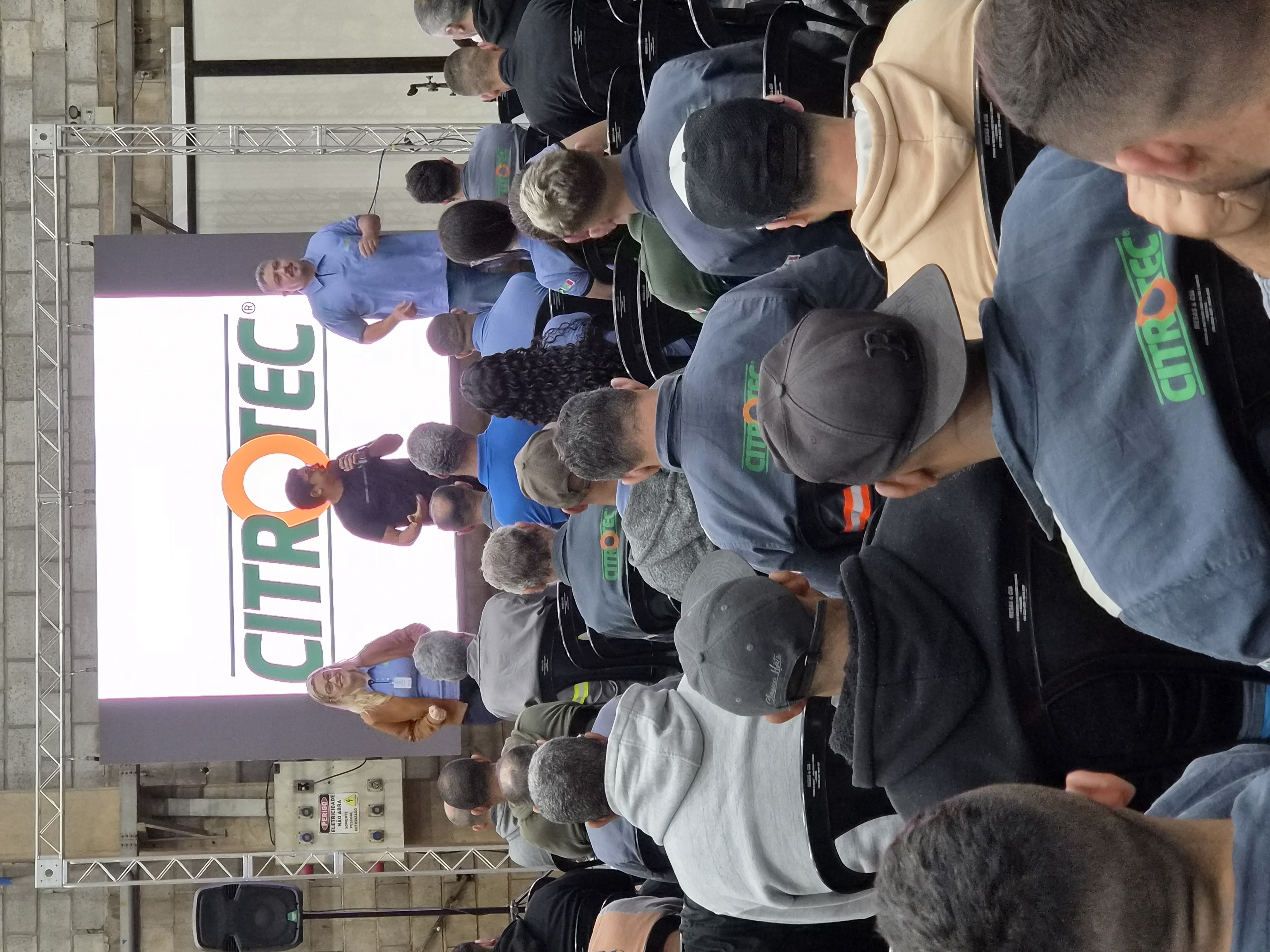
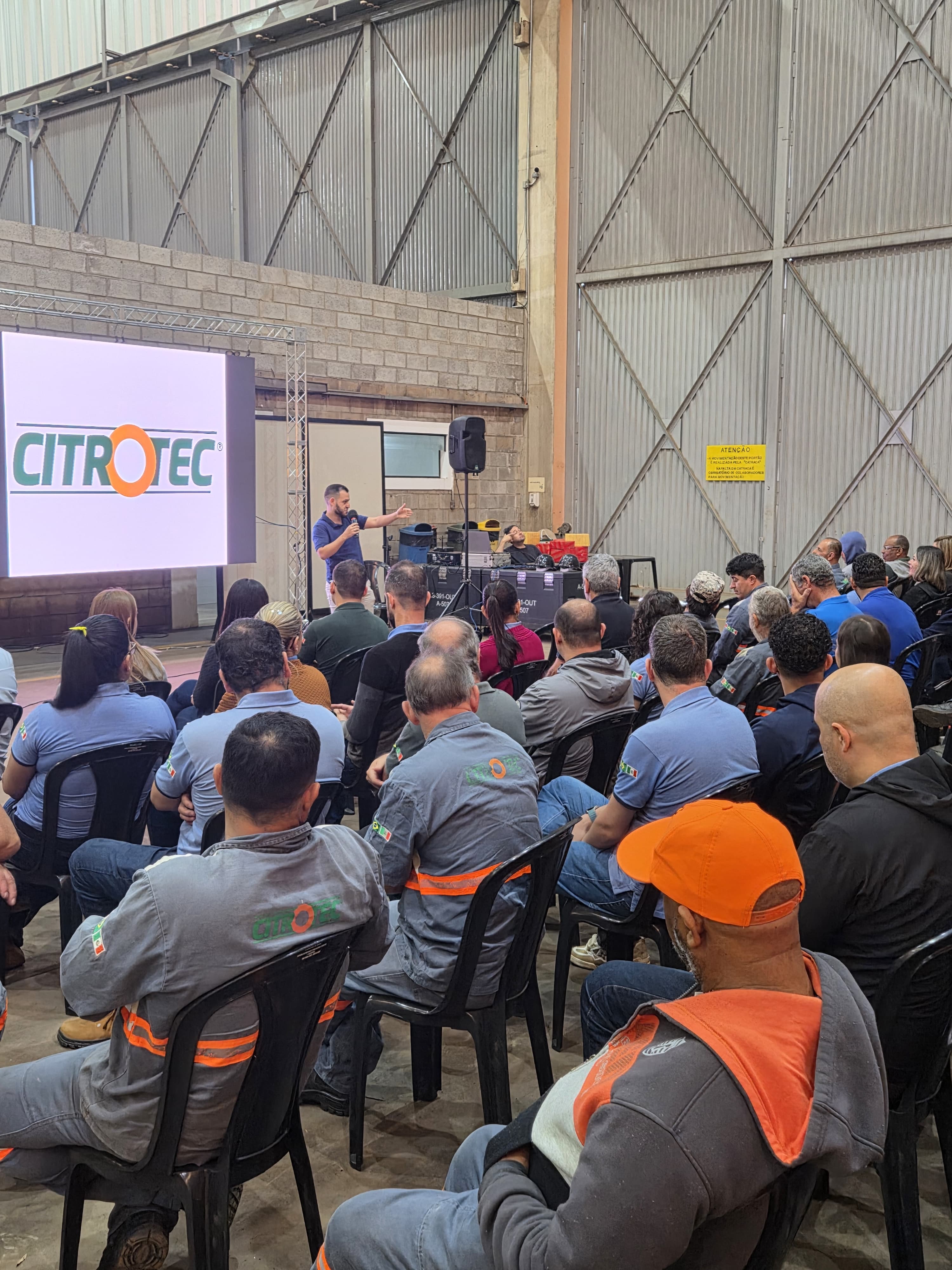
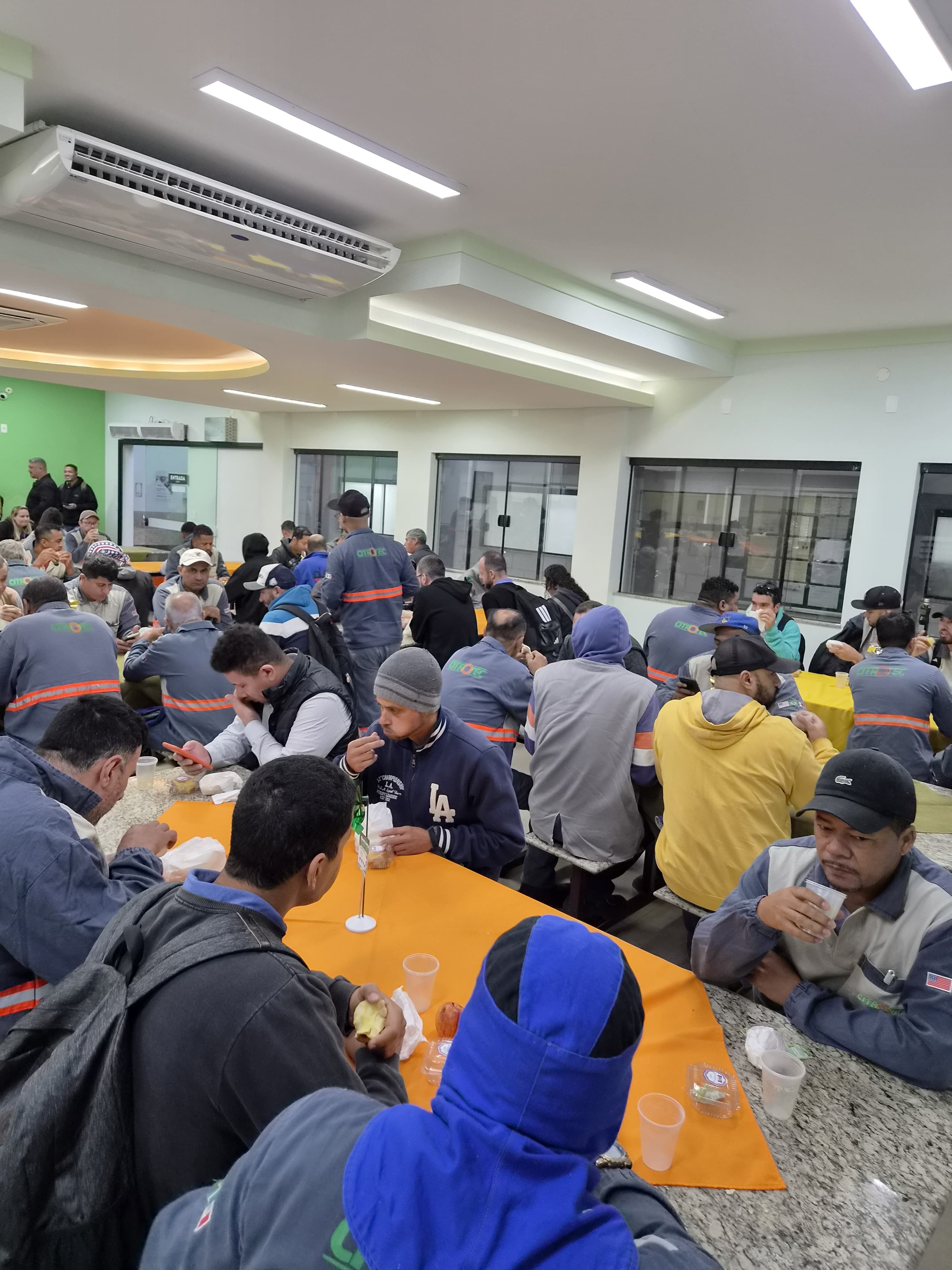
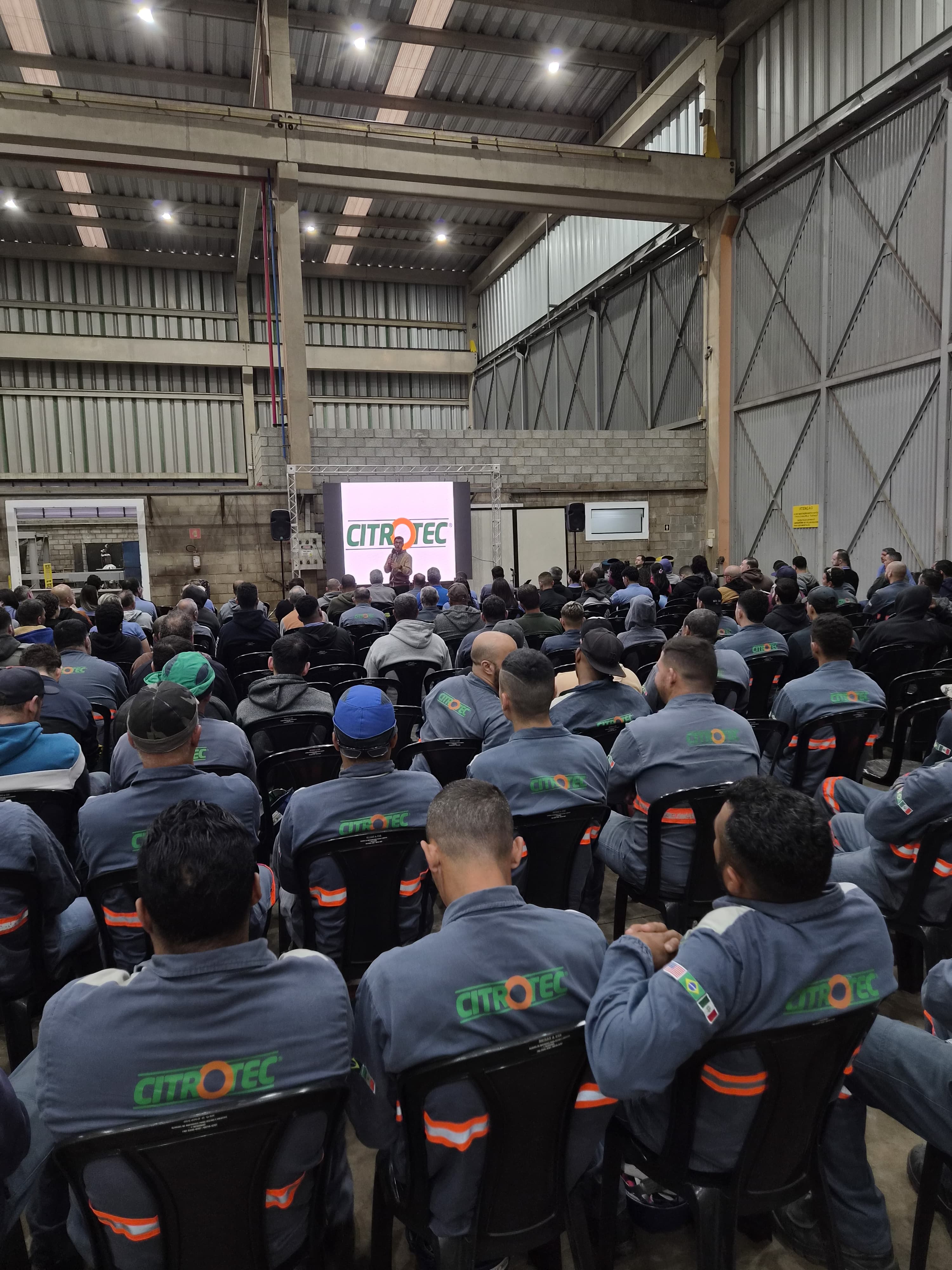
From August 24 to 28, Citrotec® held the 2026 Internal Week for the Prevention of Occupational Accidents (Sipat) with a program aimed at raising awareness about safety, health, and quality of life. Throughout the week, employees enjoyed a special breakfast and participated in lectures on different aspects of well-being and their relationship to a safer routine.
For Citrotec®'s Occupational Safety technician, Wagner Campos Leal Júnior, building a safe environment also depends on daily attitudes. "Prevention starts before an activity begins and involves our choices, our habits, and the way we take care of ourselves. Sipat is an opportunity to expand this awareness and take these reflections beyond the workplace," he states.
Healthy Eating Routine
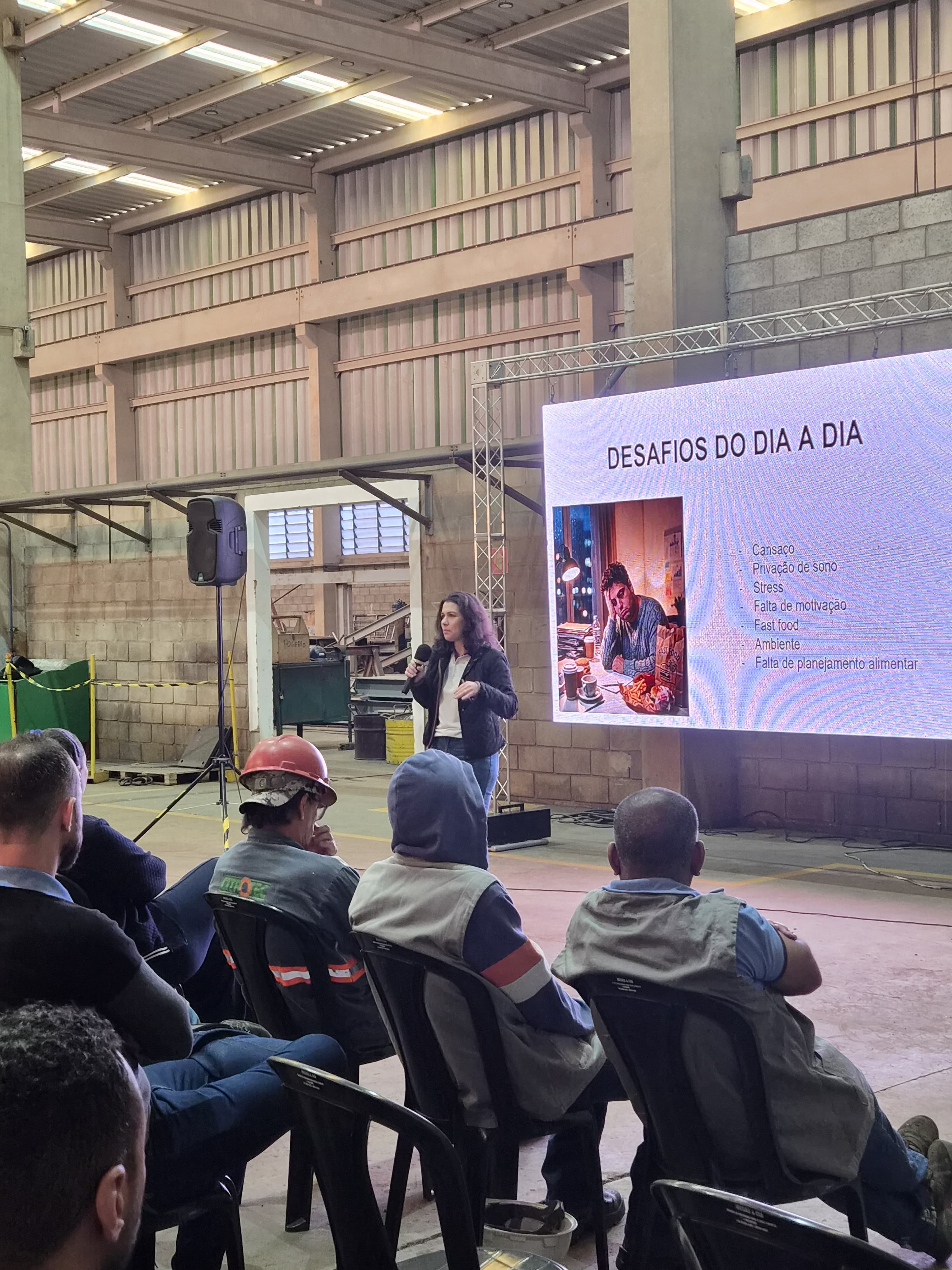
The program began with the lecture "Healthy eating routine," conducted by Casa Tempero nutritionist Thais Martinho Tremiliosi.
The professional highlighted that factors such as fatigue, lack of sleep, stress, lack of motivation, a busy routine, and lack of planning can hinder the adoption of healthier eating habits. Furthermore, easy access to fast food and ultra-processed foods can also influence choices.
According to the specialist, three principles are fundamental to good nutrition: balance, regularity, and hydration. Balance involves including different nutrient groups in meals, such as carbohydrates, proteins, fats, and fibers. A practical guideline presented during the meeting was to divide the plate into three parts: one-third with rice and beans, one-third with salads and vegetables, and another third with a protein source.
Regularity is also important. Eating meals at appropriate intervals helps avoid long periods without eating, which can lead to overeating later. Hydration, meanwhile, should be part of the routine. The ideal amount varies for each person, but the recommendation presented was to consume an average of two liters of water per day.
Another point discussed was the importance of prioritizing fresh or minimally processed foods and reducing the consumption of ultra-processed foods. Thais explained that frequent consumption of these products is associated with a higher risk of health problems, such as diabetes and hypertension, in addition to other impacts on the body.
"A balanced diet doesn't mean completely giving up favorite foods. A possible strategy is to try to maintain healthy habits most of the time, leaving room for occasional exceptions," she emphasized.
The lecture also showed how eating habits can directly influence the professional routine. Poor nutrition can contribute to feelings of weakness, indisposition, sleepiness, and fatigue. On the other hand, taking better care of one's diet can favor concentration, focus, and disposition, as well as reduce fatigue and headaches.
Finances - Myths and Truths
The relationship between money and emotional health was the starting point of the lecture "Finances - Myths and Truths," conducted by Sicredi's Cooperative Development Advisor, Maciel dos Santos.
The meeting showed how debt can affect well-being, relationships, and even attention at work. Among the data presented, 78% of people in debt report negative thoughts and 61% have anxiety attacks when thinking about their debts. Even so, only 57% usually talk to their family about the subject.
Maciel explained that many financial decisions are influenced by emotions and the search for immediate satisfaction. The tendency to think that "in the future it will be different" can also lead to postponing important decisions, such as organizing bills or starting an emergency fund.
To help with choices, he presented the "4 Ps": Can I buy it? (Posso); Do I need this now? (Preciso); What do I want this for? (Para que); Is this a priority for me? (Prioridade). The recommendation is to avoid impulse buying, research before deciding, and not compromise money that is not yet available. "Don't wait for money to be left over to save. First, plan, set a part aside, and organize the rest for your needs."
The lecture also drew attention to the risks of online betting. Maciel explained that the feeling of reward during the game is related to the release of dopamine and can contribute to the development of addiction. The problem can result in debts, anxiety, isolation, guilt, and other impacts on personal and family life.
As a path to a more balanced financial life, the speaker reinforced the importance of creating a budget, planning expenses, investing, talking about money with the family, and building an emergency fund. He also warned about scams and promises of easy gains: before making a decision, it is essential to seek information and be suspicious of solutions that promise quick results.
The Importance of Physical Activity
The importance of movement for health was the theme of the third lecture at Sipat 2026. The meeting was conducted by physical educator Matheus Costa, responsible for weekly workplace gymnastics with Citrotec® employees.
Matheus explained how the human body works and reinforced the importance of keeping moving throughout the day. Simple routine activities, such as walking, going up and down stairs, already generate stimuli for the body and joints. "Our body was not made to be static," he highlighted.
The physical educator also spoke about the importance of developing strength and caring for the body continuously. "As we get older, it becomes more important to maintain muscle strength, as it makes a difference in disposition, in performing daily activities, and even in recovery moments, such as after surgery or a period of hospitalization," he stated.
Another point discussed was the need to prepare the body before more intense physical activities. Warming up, for example, should be part of the routine before games and training, helping the body prepare for the effort.
The lecture also addressed the relationship between pain and movement, noting that feeling some discomfort does not necessarily mean the body needs to rest. Proper evaluation is important to understand the cause of the pain and determine which movements can be performed safely.
To show that physical activity can be accessible, Matheus presented exercises that can be done at home, without the need for equipment, and in a short time. The proposal was to show that small changes in the routine can already contribute to a more active life.
"Just one more time" – How addiction builds and why it's so hard to stop
The lecture "Just one more time – how addiction builds and why it is so hard to stop," held by psychologist Letícia Waitman Sinibaldi, mainly addressed gambling disorder, a condition related to persistent and harmful betting behavior.
Letícia explained what characterizes an addiction and raised a central question: if something is bad for us, why do we keep repeating it? According to her, one of the answers lies in the relationship between pleasure and repetition.
The specialist explained that, initially, certain activities can provide a sense of pleasure, relief, or escape from reality. With repetition, however, this behavior can become a difficult-to-control need, and the consequences can appear in different areas. Fights, feelings of guilt and anguish, professional difficulties, and debts are some of the impacts that may arise. Even faced with these problems, a person may have difficulty recognizing that there is an addictive behavior.
Among current addictions, online betting has gained prominence. With easy access via cell phones, the gaming environment has become available virtually at any time. According to data presented during the lecture, one in four Brazilians has gambled at some point in their lives, based on a 2022 survey. The psychologist also highlighted a 104% increase in public health system (SUS) consultations related to pathological gambling and betting addiction between 2018 and May 2025.
The lecture also addressed the importance of recognizing the signs that a behavior is ceasing to be recreational and starting to cause harm. Identifying the problem is an important step to seek help and break the cycle.
Drug and Alcohol Addictions
Closing the program, psychologist Vinicius Alves Panis spoke about the impacts of alcohol and other drug consumption and explained how dependence develops.
According to the specialist, alcohol interferes with brain function and can compromise attention, perception, and reaction capacity. "Even seemingly small changes can increase risks during activities that require concentration and precision, especially in the workplace," he reinforced.
He also addressed the effects of drug use on the brain and the difficulty of stopping consumption without proper support. "The development of dependence is related to changes in brain function, making it increasingly difficult for the person to control the behavior," he explained.
Another highlighted point was the stigma associated with addiction. Feelings such as shame, guilt, and fear can cause a person to avoid seeking help, prolonging the problem and increasing its impacts on personal, family, and professional life.
The lecture also reinforced the importance of seeking support when facing an addiction situation. Professional guidance and support from family, friends, and other close people can be important to face the problem and contribute to the recovery process.
Prevention as a daily commitment
By addressing topics related to physical, emotional, financial, and behavioral health, Sipat 2026 reinforced that prevention is present in the choices, habits, and attitudes adopted daily.
For Wagner, the main objective of the week was to encourage employees to reflect on their own behavior and the importance of taking care of themselves and the people around them. "Safety is a daily construction. Taking care of our health, respecting our limits, making more conscious choices, and seeking help when necessary are also forms of prevention. We hope that each employee takes these reflections into their daily lives and transforms the acquired knowledge into attitudes that contribute to an increasingly safe and healthy environment," he concludes.
Click on the image to open the gallery